Evidence collection and shipping: why it matters in claims
Proper evidence handling is one of the most important factors in determining the cause of a product failure. When evidence is not documented, collected, and shipped correctly, critical information can be lost, making it difficult or impossible to complete a reliable evaluation.
Understanding how evidence is handled from the moment it is identified through shipment is essential to preserving its value.
What evidence handling is (and what it is supposed to do)
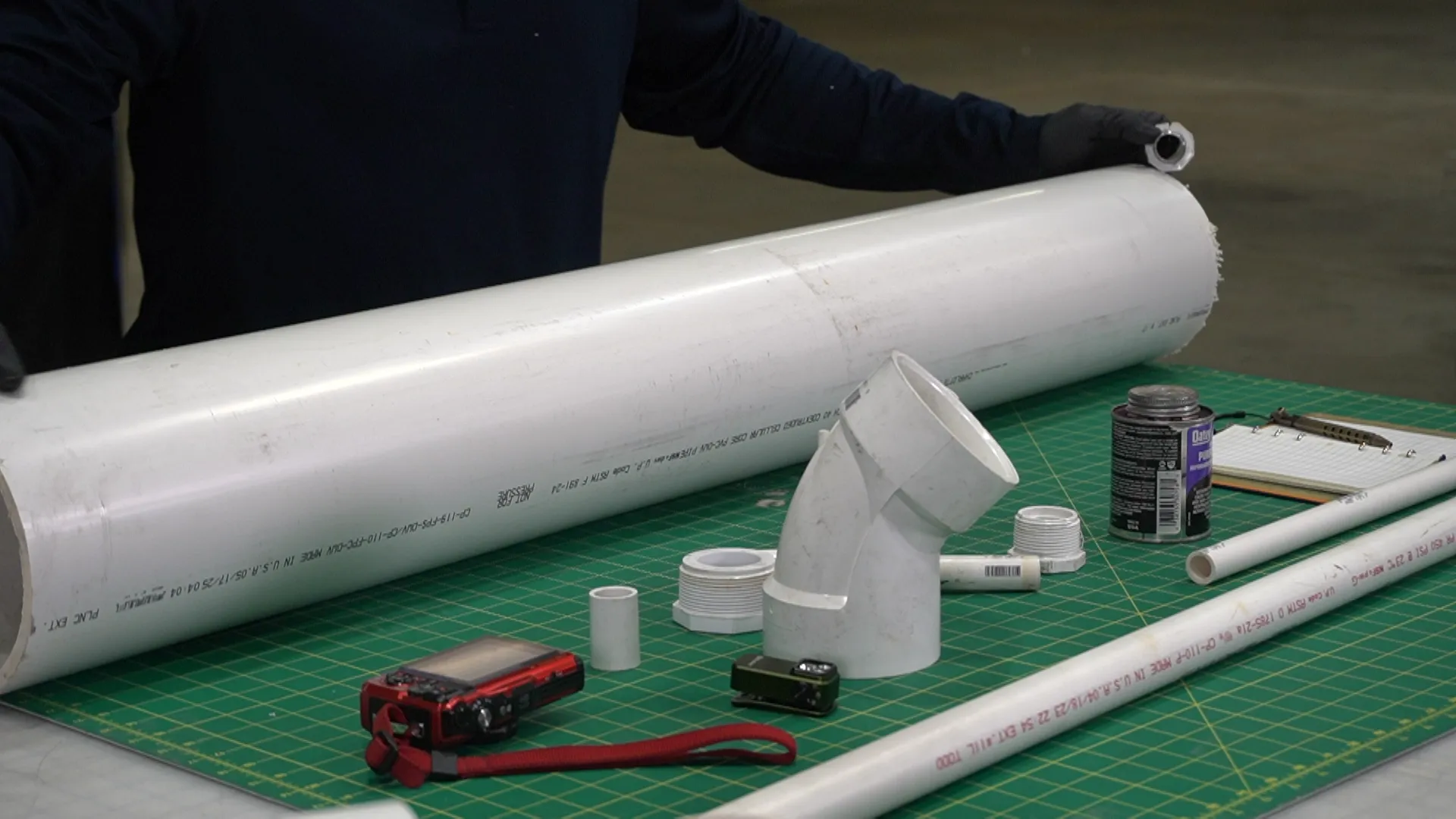
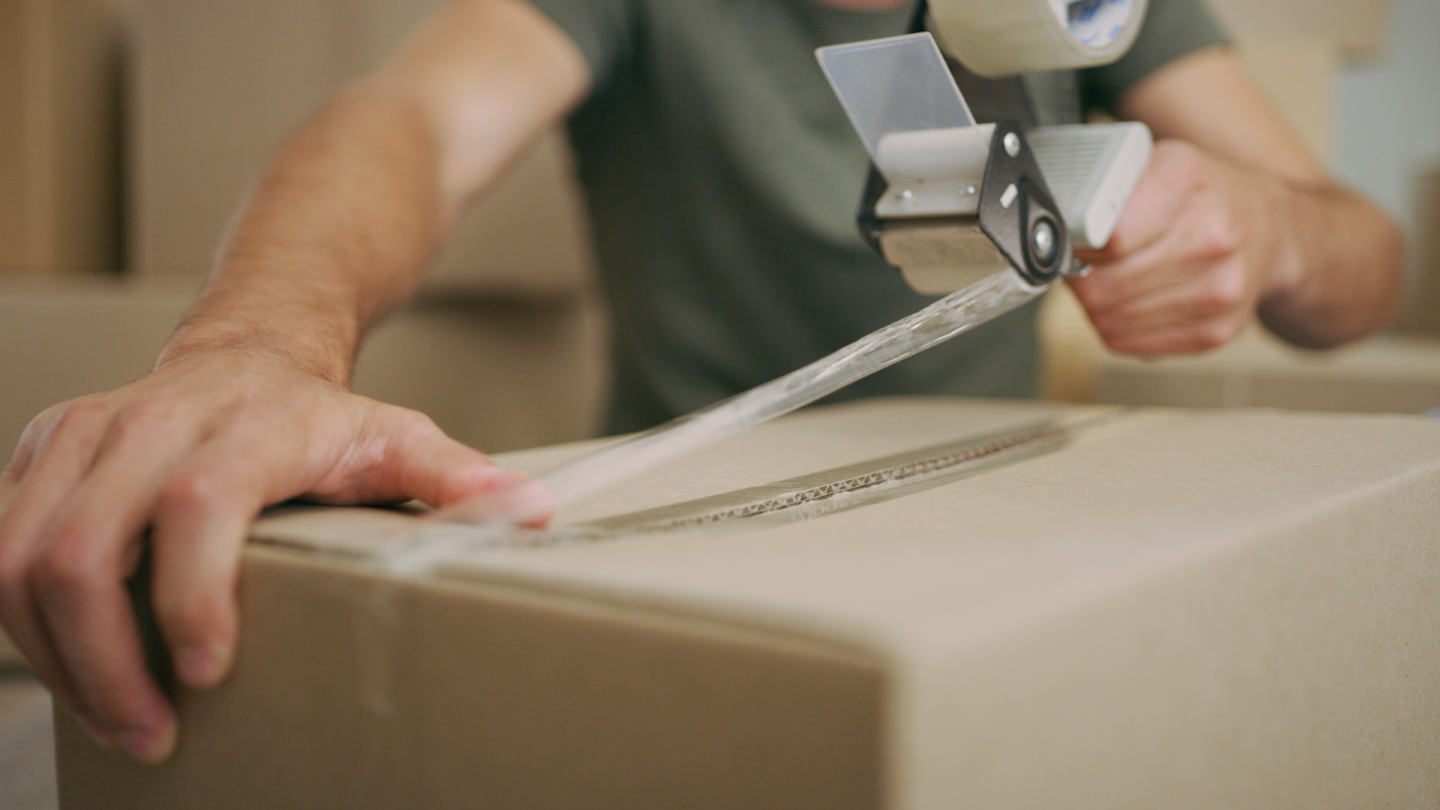
Evidence handling includes documenting, collecting, packaging, and shipping components involved in a failure. The goal is to preserve the condition of the evidence as it was found so that it can be accurately evaluated.
Industry standards, including ASTM protocols, outline proper methods for maintaining evidence integrity and chain of custody.
Collection factors that change the story
On-site documentation
Before any component is removed, the full failure path should be documented, from the point of water entry to the source. Photographs should capture all relevant conditions prior to disturbance.
Component preservation
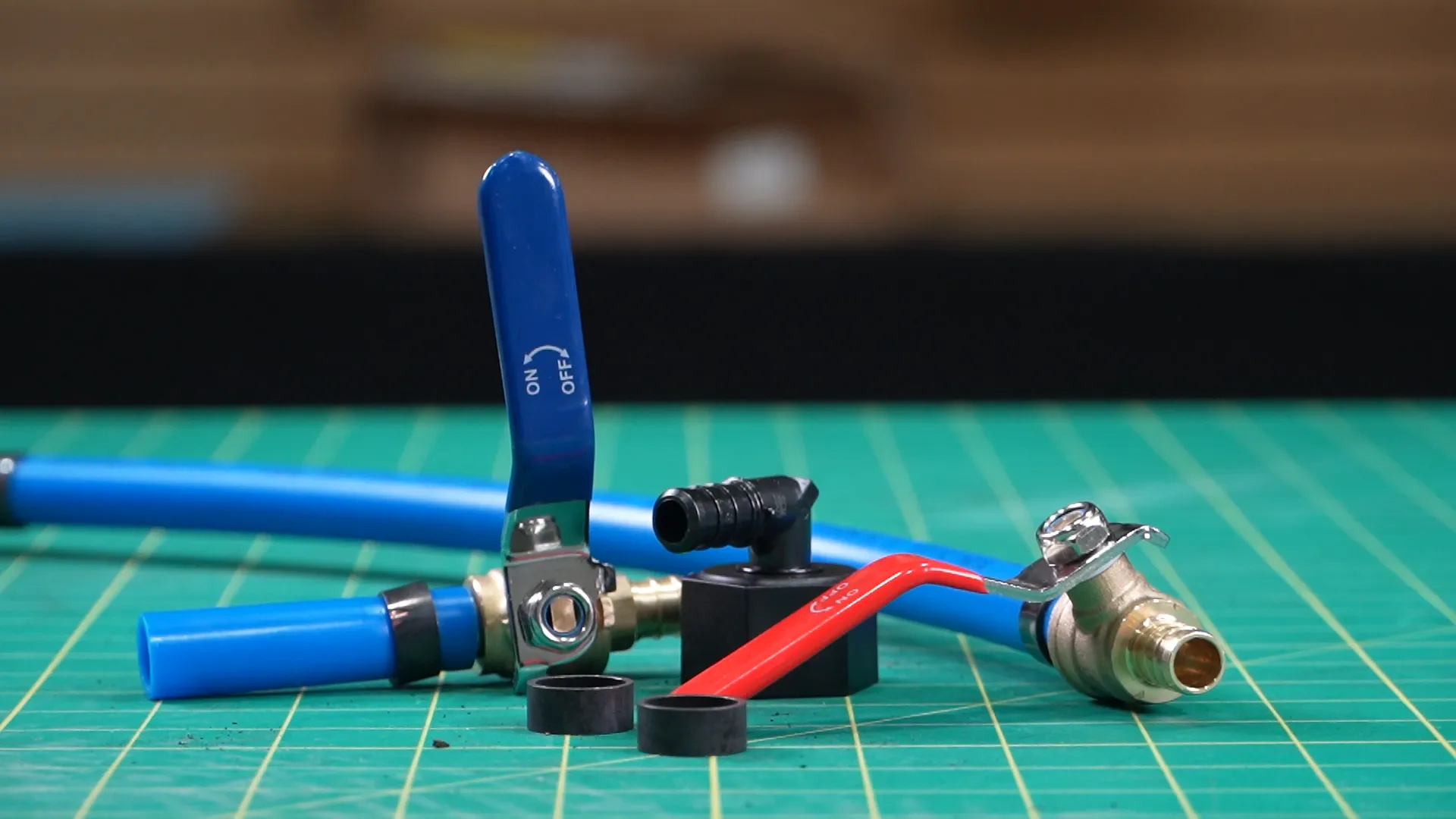
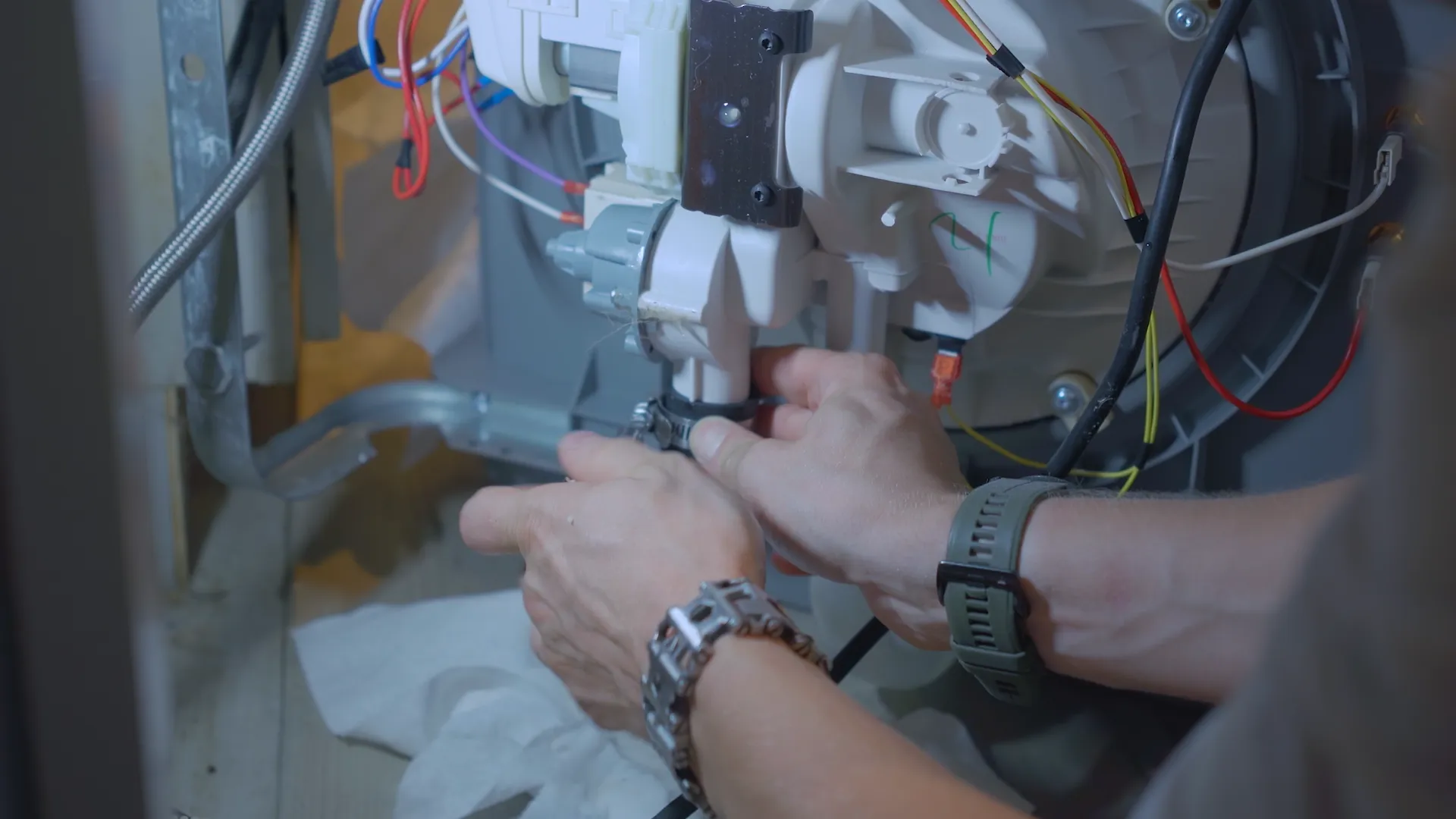
Components should not be disassembled or altered prior to documentation. For example, leaking connections should be collected intact rather than separated.
System context
Information such as installation dates, maintenance history, and system pressures should be documented to provide context for the evaluation.
How evidence handling typically fails
Many issues with evidence handling fall into a practical framework:
- Documentation failures
- Missing photographs prior to removal
- Lack of labeling or identifying information
- Collection-related issues
- Disassembling components before documentation
- Failing to collect all relevant parts
- Packaging and shipping issues
- Improper packaging that damages evidence
- Failure to use tamper-proof sealing
- Non-traceable shipping methods
- Chain of custody issues
- Incomplete or missing documentation
- Lack of tracking for evidence handling
What an expert looks for during a product examination
During an evaluation, the condition of the evidence and the quality of documentation are critical.
Typical focus areas include:
- Whether the evidence reflects original conditions
- Signs of mishandling or alteration
- Completeness of the components submitted
- Chain of custody documentation
These factors determine whether a reliable conclusion can be reached.
What to document before removal
If a failure may become a product exam or subrogation question, document first. Specifically:
- Full photographic documentation of the failure path
- Part numbers, manufacturer labels, and installation details
- Installation dates and maintenance records
- System conditions such as pressure and environment
- Chain of custody and handling information
Proper documentation ensures that the evidence can be evaluated in context.
When to bring in a forensic engineer
If the failure is significant, involves multiple components, or may lead to subrogation, a forensic engineer can help guide proper documentation, collection, and handling to preserve the integrity of the evidence.