Electrical products: why they matter in claims
Electrical products are commonly involved in fire and damage claims, particularly in residential settings where small appliances and consumer electronics are widely used. When a failure occurs, it may involve both the product itself and the electrical system it is connected to.
Understanding how the product was used and how it interacted with the electrical system is critical to determining the cause of failure.
What electrical products are (and what they are supposed to do)
Electrical products include a wide range of devices such as kitchen appliances, power tools, and consumer electronics. These products are typically powered through a cord and plug connected to a standard electrical receptacle.
Their intended function is to safely convert electrical energy into another form of energy, such as heat, motion, or sound, depending on the application.
Installation factors that change the story
Power supply and connections
Proper connection to a suitable power source is critical. Overloaded circuits or improper connections can introduce failure conditions.
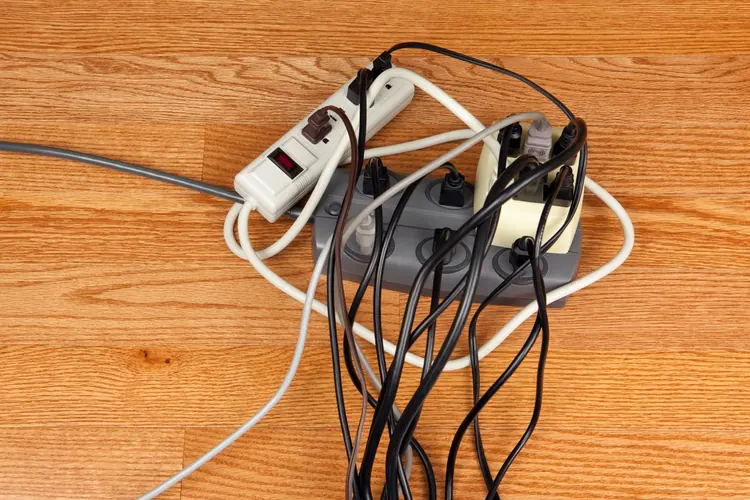
Extension cords and power strips
Improper use of extension cords and power strips, particularly daisy chaining, can lead to overheating and increased fire risk.
System interaction
Because these products rely on building wiring, the condition of the electrical system can directly influence performance and failure.
How electrical products typically fail
Many electrical failures fall into a practical framework:
- Installation-related issues
- Overloaded circuits
- Improper extension cord or power strip use
- Material and manufacturing issues
- Failure of internal components such as diodes or resistors
- External and usage-related factors
- Daisy-chained power strips or extension cords
- Use of high-resistance appliances
- Lightning or external electrical events
- Daisy-chained power strips or extension cords
- Age, wear, and maintenance
- Degradation of electrical components
- Wear in GFCI-protected circuits
- Aging resistive heating elements
What an expert looks for during a product examination
During an electrical product evaluation, both the product and surrounding system are considered.
Typical focus areas include:
- Burn patterns
- Evidence of overheating
- Electrical damage to components
- Signs of arcing or fire
These indicators help determine whether the failure originated within the product or from external electrical conditions.
What to document before removal
If an electrical failure may become a product exam or subrogation question, document first. Specifically:
- Product type and manufacturer information
- Condition of power cords and connections
- How the product was being used at the time of failure
- Photographs of the product and surrounding area prior to removal
- Condition of the building electrical system
Because electrical failures often involve both the product and the wiring system, complete documentation is essential.
When to bring in a forensic engineer
If the cause of failure is unclear, involves fire or electrical damage, or may be tied to usage conditions or system interaction, a forensic engineer can help evaluate the evidence and document findings in a clear, defensible way.