Pumps: system configuration, operation, and failure in claims
Pumps are used in a variety of systems to move fluid and maintain or increase pressure. In residential applications, they are commonly used to evacuate water or supply water where needed.
When a pump fails, the cause can involve installation practices, system configuration, or operational conditions. These factors influence what to look for on site, what to document, and whether a product evaluation will be conclusive.
What pumps are (and what they are supposed to do)
A pump is a mechanical device that converts electrical energy into mechanical or hydraulic energy to move fluid within a system. Its primary function is to raise, move, or pressurize fluid to support system operation.
Pumps are used in a wide range of applications and are often integrated into systems where consistent flow and pressure are required.
Installation factors that change the story
System configuration and piping
Proper configuration of piping and system layout is critical. Improperly supported or configured piping can place stress on the pump and affect performance.
Orientation and placement
Pump orientation, clearances, and placement within the system can influence how the pump operates and how failures develop.
Component integration
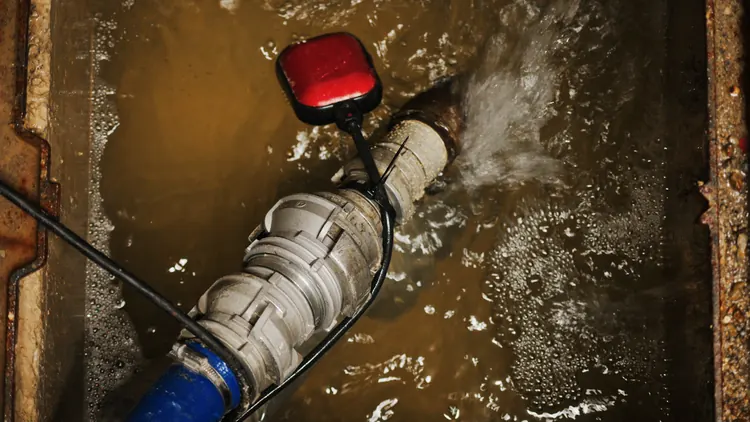
Components such as float switches and pressure switches must be properly installed and positioned to allow correct operation.
How pumps typically fail
Many pump failures fall into a practical framework:
- Installation-related issues
- Improper piping configuration or lack of support
- Incorrect pump sizing
- Improper orientation or placement
- Material and manufacturing issues
- Manufacturing defects are relatively uncommon
- External and usage-related factors
- Loss of fluid supply leading to overheating
- Continuous operation due to system failures
- Float switch or pressure switch malfunctions
- Age, wear, and maintenance
- Seal failures
- Bearing failure or seizure
- General wear over time
What an expert looks for during a product examination
During a pump evaluation, both physical condition and system behavior are considered.
Typical focus areas include:
- Fracture patterns
- Wear marks
- Corrosion
- Discoloration
- Operational performance
- Power supply and impeller rotation
These indicators help determine whether the failure is related to installation, system conditions, or component wear.
What to document before removal
If a pump failure may become a product exam or subrogation question, document first. Specifically:
- Part numbers and manufacturer information
- Age and installation date
- System configuration and pump orientation
- Photographs of the pump and surrounding system prior to removal
- Maintenance records and prior work performed nearby
This information provides the context needed for a complete evaluation. Without it, conclusions can be limited.
When to bring in a forensic engineer
If the cause of failure is unclear, involves system configuration or operational factors, or may be tied to installation or component performance, a forensic engineer can help evaluate the evidence and document findings in a clear, defensible way.