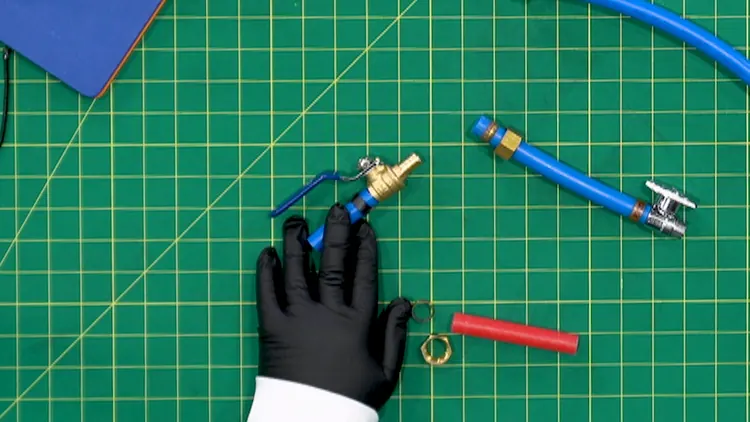
PEX pipe: why it matters in claims
PEX is one of the most commonly used materials in modern residential and commercial water supply systems. Its core function is to deliver water reliably through a flexible piping system with multiple connection types.
When a PEX component fails, the cause is often tied to both material performance and installation practices. Those factors influence what to look for on site, what to document, and whether a product examination is likely to be conclusive.
What PEX pipe is (and what it is supposed to do)
PEX, or cross-linked polyethylene, is a polymer pipe used in domestic water supply and radiant heating systems. It is commonly selected as an alternative to copper due to its flexibility, corrosion resistance, and ease of installation.
PEX systems can be installed using different connection methods and layouts. Originally, many systems were designed as “home run” systems, where each fixture is connected to a central manifold. More recent installations often use branch systems, which can introduce additional fittings and connection points.
While PEX offers flexibility and durability, proper installation and system design are critical to long-term performance.
Installation factors that change the story
Connection systems and tooling
PEX systems use several connection methods, including copper crimp rings, stainless clamp rings, and expansion poly rings. Each method requires manufacturer-specific tools, specifications, and installation procedures.
Pipe preparation and alignment
Proper pipe preparation is critical for joint integrity. This includes ensuring correct stab depth, alignment, and consistent clamping pressure. Improperly seated or secured connections can lead to leaks or joint separation.
System layout and design
Differences between home run and branch systems can affect the number of fittings and potential failure points. Increased connections may introduce additional opportunities for installation-related issues.
Thermal considerations
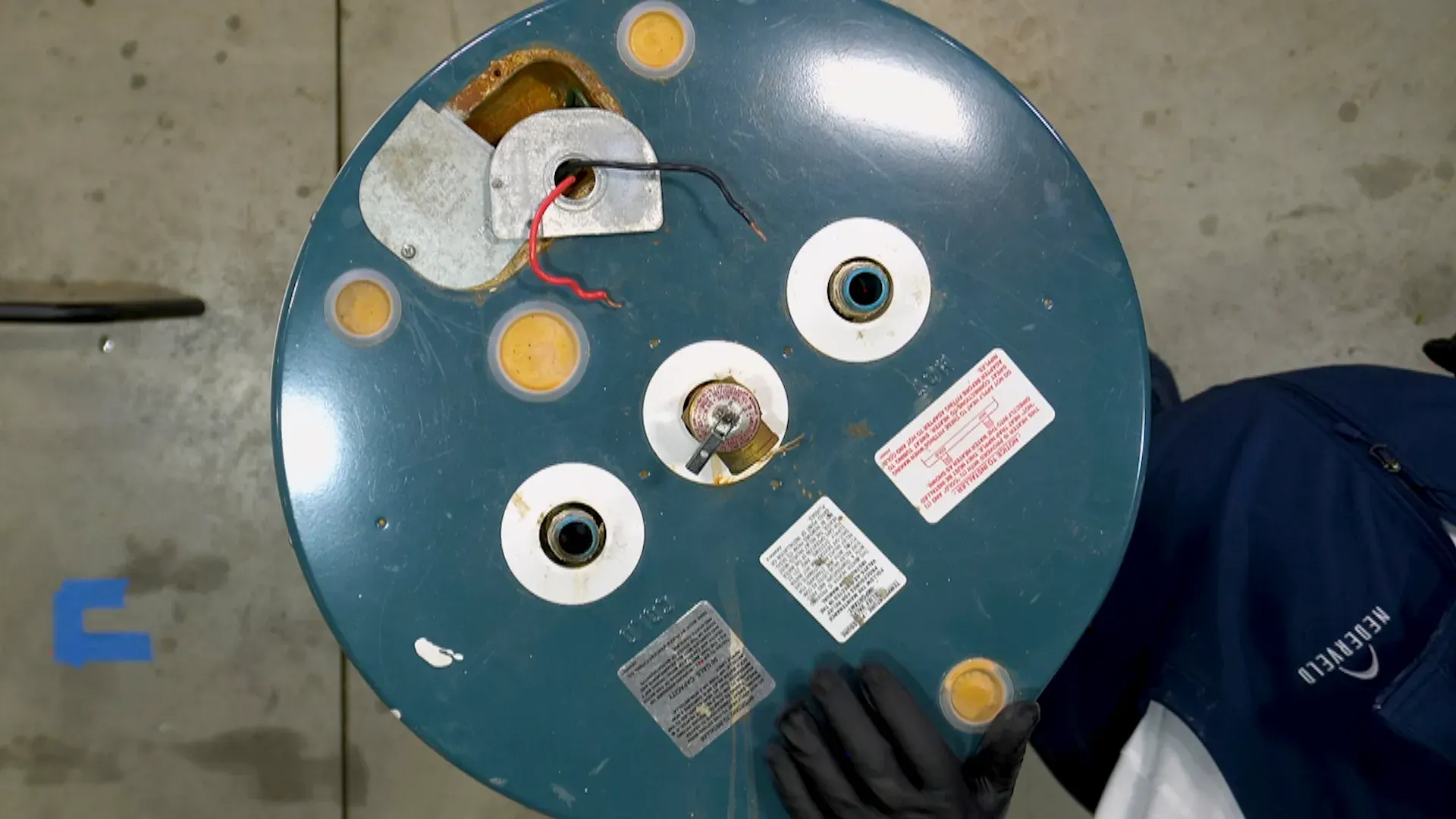
PEX should not be improperly installed near high heat sources, such as direct connections to water heaters, as elevated temperatures can contribute to material degradation over time.
How PEX pipe typically fails
Many PEX failures fall into a practical framework:
- Installation-related issues
- Improper pipe preparation or alignment
- Incorrect clamping pressure or incomplete connections
- Use of incompatible fittings or connection methods
- Material and manufacturing considerations
- Oxidative degradation in hot water systems
- Material loss, cracking, or separation at joints
- Degradation related to circulation pumps on hot water systems
- Oxidative degradation in hot water systems
- System design and connection factors
- Failures at fittings or connection points
- Increased stress at joints in branch systems
- External and usage-related factors
- Freeze conditions causing fittings to fail or be pushed off under pressure
- Abrasion, cutting, or physical damage
- Rodent activity
- Improper exposure to heat
What an expert looks for during a product examination
During a PEX evaluation, both the pipe and the connection points are critical to understanding the failure.
Typical focus areas include:
- Fracture patterns and morphology
- Leak location and characteristics
- Evidence of external force or stress
- Condition of surrounding components
Fracture morphology can help indicate the direction and type of applied force, which is critical when distinguishing between installation issues and external damage.
What to document before removal
If a PEX failure may become a product exam or subrogation question, document first. Specifically:
- Manufacturer printing on the pipe (including date codes and specifications)
- Connection type and installation method
- Evidence of freezing conditions
- System layout and usage conditions
- Condition of the pipe and fittings prior to removal
This information provides the context needed for a complete evaluation. Without it, conclusions can be limited.
When to bring in a forensic engineer
If the cause of failure is unclear, disputed, or tied to installation practices, material performance, or external conditions, a forensic engineer can help evaluate the evidence and document findings in a clear, defensible way.