PVC: why it matters in claims
PVC is commonly used in residential and commercial plumbing systems, particularly in drain, waste, and vent applications. Its core function is straightforward: move fluid reliably without leaking.
When a PVC component fails, the cause is often tied to installation practices or external forces. These factors influence what to look for on site, what to document, and whether a product examination is likely to be conclusive.
What PVC is (and what it is supposed to do)
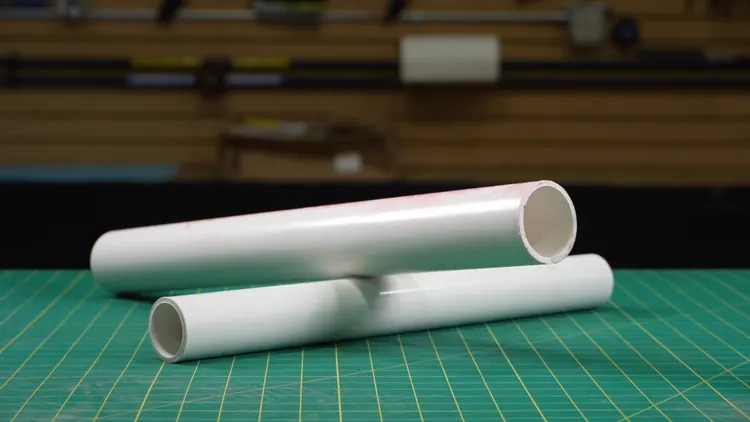
PVC, or polyvinyl chloride, is a polymer material used for piping, fittings, and a wide range of plumbing components. It is frequently selected for its chemical resistance, ease of installation, and cost-effectiveness.
PVC is commonly found in drain, waste, and vent systems, as well as in water filters, toilet supply valves, and various connectors throughout a plumbing system.
While PVC is considered user-friendly, proper installation is still critical to ensure long-term performance and leak-free operation.
Installation factors that change the story
Surface preparation and solvent welding
Proper surface preparation is essential when creating solvent-welded joints. This includes cleaning and preparing the material before applying primer and cement. Inadequate preparation can prevent proper bonding and lead to joint failure.
Threaded connections
Overtightening threaded connections is one of the most common issues seen with PVC components. Excessive force can introduce stress and lead to fractures, particularly at connection points.
Material compatibility
Using metallic fittings in conjunction with PVC, especially threading a metal male fitting into a PVC female fitting, is generally not recommended. Differences in material properties can contribute to cracking and long-term failure.
Support and loading
PVC components should be installed to minimize stress from side loading, movement, or improper support.
How PVC typically fails
Many PVC failures fall into a practical framework:
- Installation-related issues
- Improper surface preparation
- Inadequate solvent welding
- Overtightened threaded connections
- Incompatible material connections
- Abuse, external forces, and environmental conditions
- Side loading or impact (such as under sinks)
- Structural forces from soil movement or root intrusion
- Prolonged exposure to sunlight (UV degradation)
- Age, wear, and maintenance
- General material degradation over time
- Manufacturing or materials issues
- These do occur, but are less common compared to installation or external factors
- These do occur, but are less common compared to installation or external factors
What an expert looks for during a product examination
During a PVC evaluation, fracture characteristics often provide key insight into the failure.
Typical focus areas include:
- Fracture patterns and morphology
- Leak location and characteristics
- Evidence of external force or stress
- Condition of surrounding components
Fracture morphology can help indicate the direction and type of applied force, which is critical when distinguishing between installation issues and external damage.
What to document before removal
If a PVC failure may become a product exam or subrogation question, document first. Specifically:
- Presence or absence of primer
- Fracture locations
- New and existing components near the area of interest
- Approximate age of the component
- Installation, maintenance, and service history
- Environmental conditions
This context provides the “backstory” needed to support a complete evaluation. Without it, conclusions can be limited.
When to bring in a forensic engineer
If the cause of failure is unclear, disputed, or potentially tied to installation practices or external forces, a forensic engineer can help evaluate the evidence and document findings in a clear, defensible way.