Ferrous fittings: corrosion, compatibility, and installation in claims
Ferrous fittings, including steel and cast iron components, are used to connect piping and appliances in water, gas, and fire protection systems. Their role is to provide durable, leak-free connections in systems that often operate under pressure and environmental exposure.
When a ferrous fitting fails, the cause is often tied to installation practices, material behavior, or environmental conditions. These factors influence what to look for on site, what to document, and whether a product evaluation will be conclusive.
What ferrous fittings are (and what they are supposed to do)
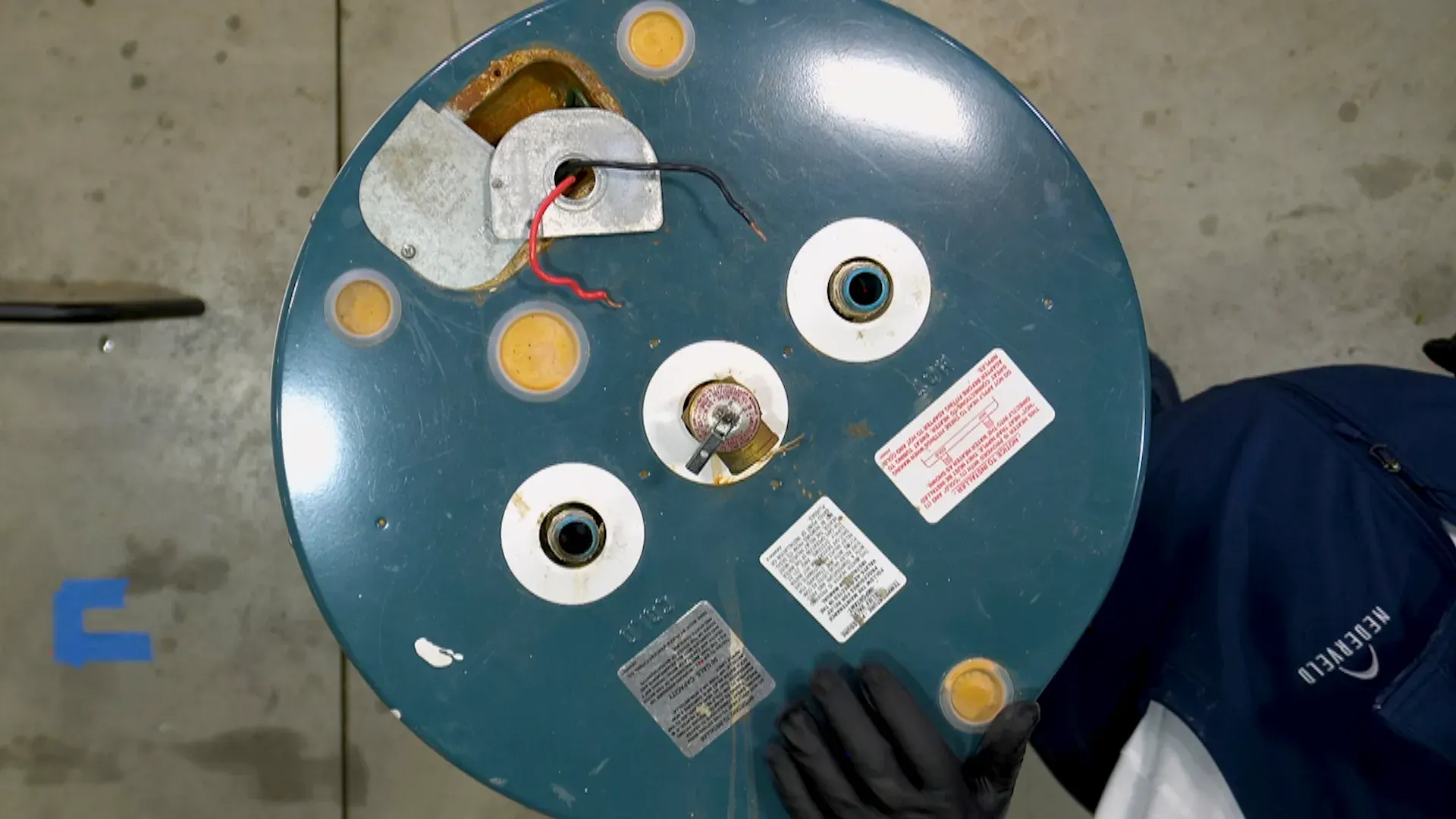
Ferrous fittings are metal components used to connect sections of piping or to join piping to appliances. They are commonly used in water heaters, gas lines, and some fire protection and industrial systems.
These fittings often use threaded connections, including tapered threads, to create a sealed joint. When properly installed with appropriate sealant and torque, they are designed to provide a strong and reliable connection.
Because they are frequently used with other materials, compatibility and environmental exposure play a significant role in performance.
Installation factors that change the story
Threaded connections and torque
Many ferrous fittings use tapered threads, which require proper tightening to achieve a seal. Overtightening can introduce stress and lead to cracking, while under tightening can result in leakage.
Sealants and installation practices
Threaded fittings typically require thread sealant or tape, depending on the application. Improper use or omission can affect joint performance.
Material compatibility
Ferrous fittings are often installed with dissimilar materials. Care should be taken when combining materials, as differences in properties can contribute to corrosion or mechanical stress.
Environmental and system considerations
Certain systems, such as gas distribution, require protection against corrosion through coatings or sacrificial materials. Soil composition, moisture, and stray current can also influence corrosion in buried systems.
How ferrous fittings typically fail
Many ferrous fitting failures fall into a practical framework:
- Installation-related issues
- Overtightening or under tightening of threaded connections
- Improper installation of tapered threads or sealants
- Material and manufacturing issues
- Improper heat treatment leading to brittle or soft material
- Voids or inconsistencies in castings
- External and environmental factors
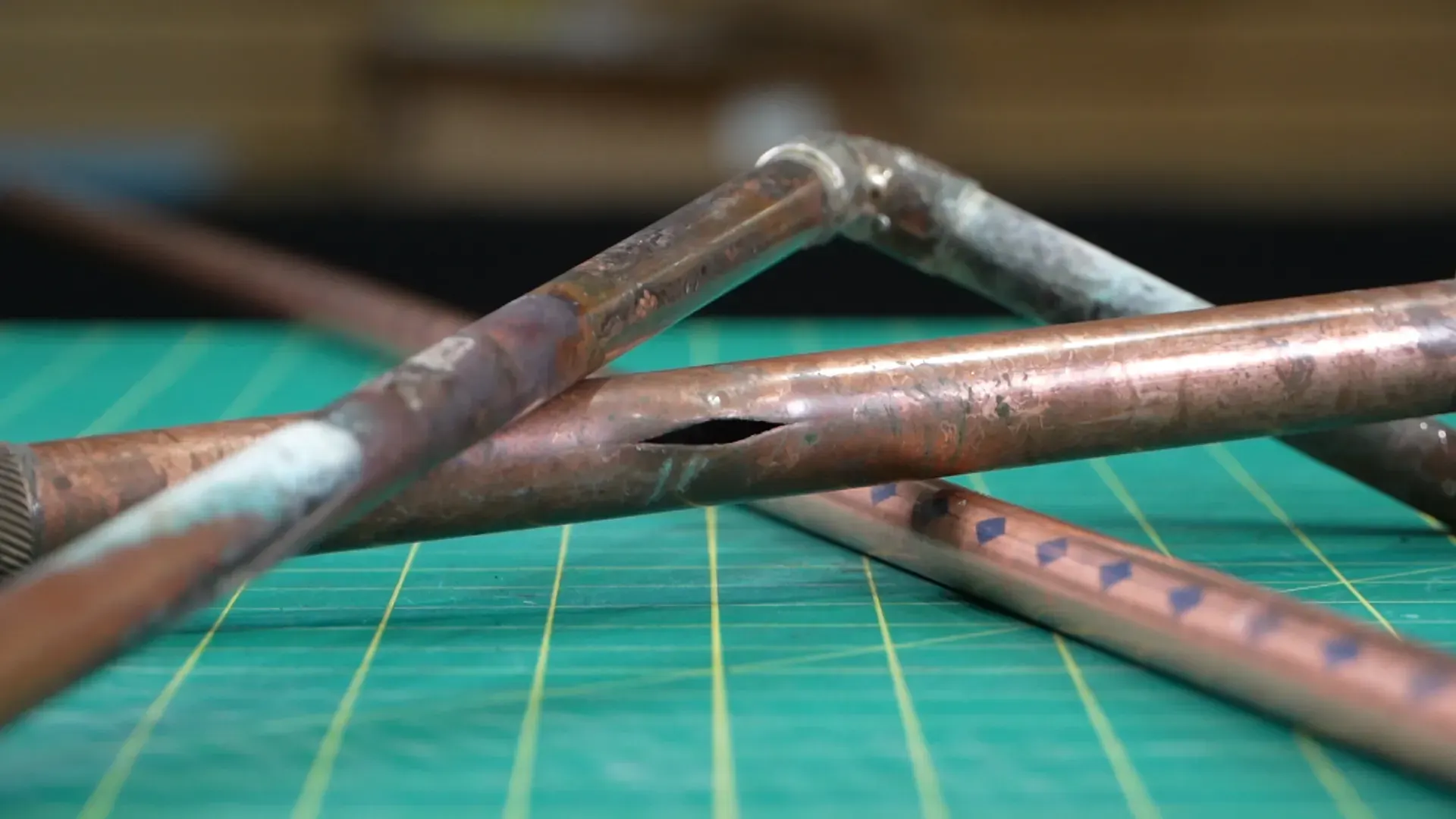
- Exposure to corrosive fluids
- Galvanic corrosion from dissimilar materials
- Soil-driven corrosion and stray current effects in buried systems
- Age, wear, and maintenance
- Components exceeding their useful life
- General degradation over time
What an expert looks for during a product examination
During a ferrous fitting evaluation, both surface conditions and internal characteristics are considered.
Typical focus areas include:
- Fracture patterns and geometry
- Wear marks
- Corrosion
- Discoloration
- Deformation
Fracture geometry may be evaluated at both a macroscopic and microscopic level to determine the mode and mechanism of failure.
What to document before removal
If a ferrous fitting failure may become a product exam or subrogation question, document first. Specifically:
- Part numbers and manufacturer information
- Age and installation date
- Photographs of the fitting and surrounding system before removal
- Orientation of the piping
- Maintenance records and any prior work performed near the fitting
Fittings should be removed by cutting sections of piping on either side rather than unthreading or altering the component, preserving the condition for evaluation.
When to bring in a forensic engineer
If the cause of failure is unclear, involves material compatibility or corrosion-related issues, or may be tied to installation or environmental conditions, a forensic engineer can help evaluate the evidence and document findings in a clear, defensible way.