What an irrigation system is (and what it is supposed to do)
An irrigation system is designed to deliver water to specific areas at intended times using a combination of pipes, valves, and a control system.
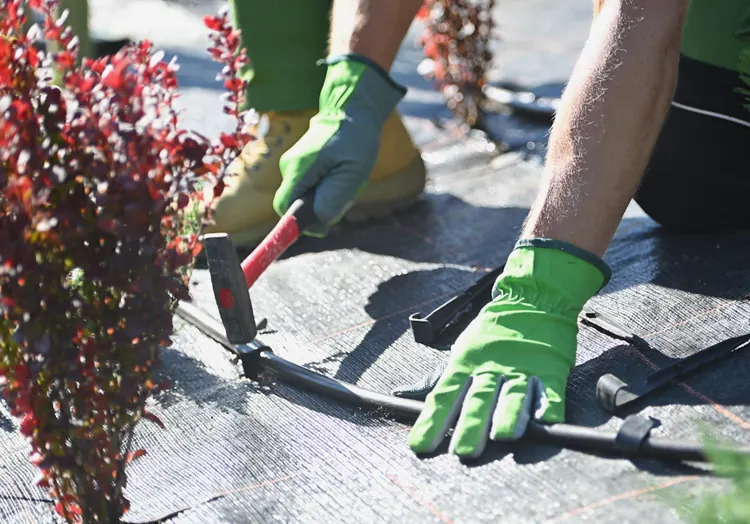
Systems can vary in complexity. Some are temporary setups using hoses, sprinklers, or soaker lines, while others are permanently installed systems connected to a water supply with controllers, manifolds, and cross-control devices.
Because these systems can include multiple material types and configurations, proper installation and compatibility between components are critical to long-term performance.
Installation factors that change the story
System layout and drainage
Irrigation systems should be installed to avoid low spots, or “bellies,” in piping where water can collect. These areas can freeze in colder conditions and lead to failure. The presence or absence of low-point drains also plays a role in how the system handles seasonal conditions.
Material compatibility and connections
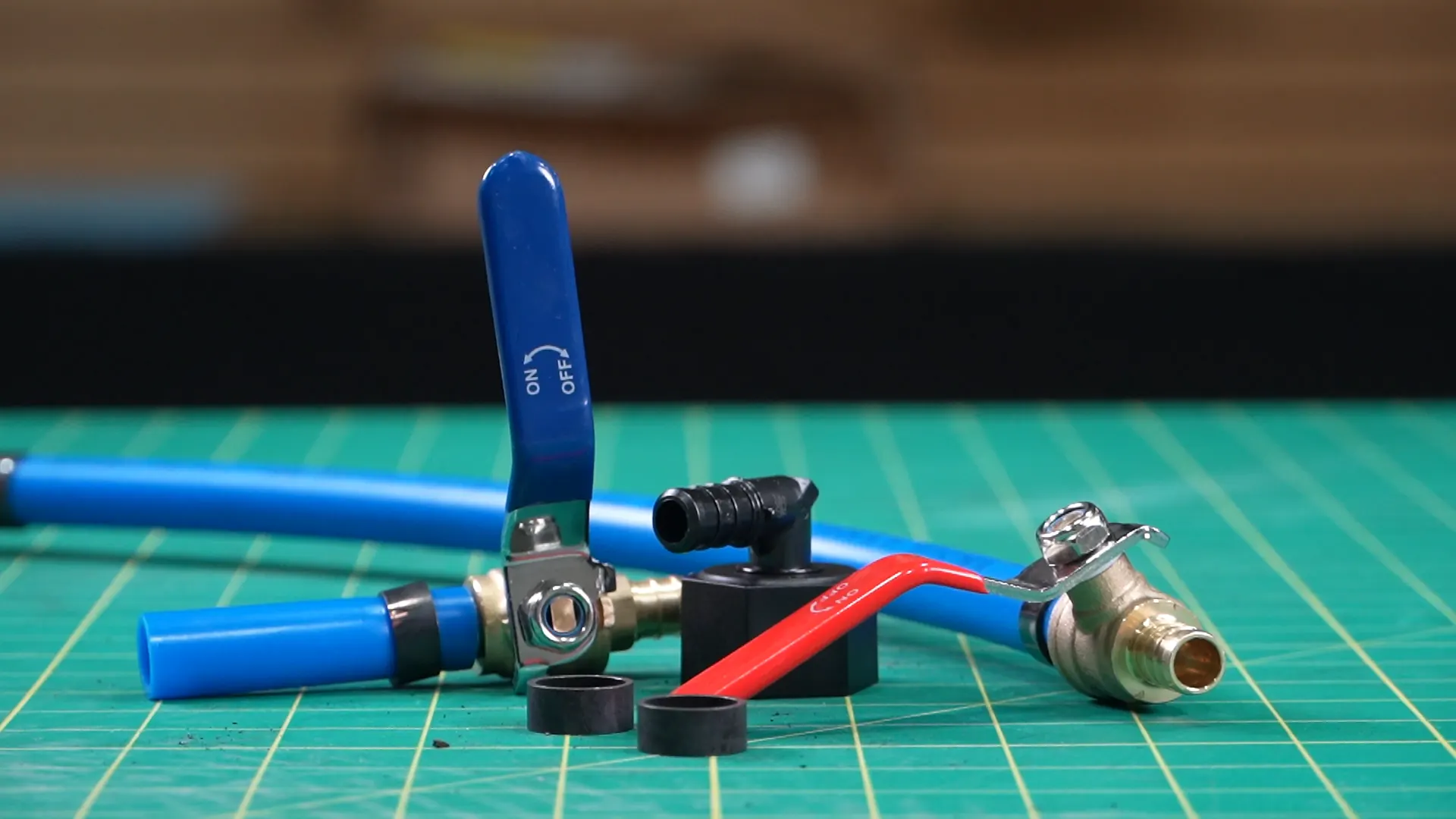
A typical irrigation system may include several different material types. Proper compatibility between those materials and correct connection methods are important to prevent failure.
Threaded and crimped connections
Overtightened threaded connections can introduce stress and lead to fractures. Similarly, insufficient clamping force on crimped connections can result in leakage or joint failure.
Clearances and installation conditions
Installation depth, clearances, and general system placement can influence how the system responds to environmental and external conditions.
How irrigation systems typically fail
Many irrigation system failures fall into a practical framework:
- Installation-related issues
- Low spots in piping that freeze over winter
- Lack of low-point drains
- Incompatible connections between materials
- Overtightened threaded connections
- Insufficient clamping force on crimped connections
- External and usage-related factors
- Damage from vehicles driving over shallow buried pipes
- Broken sprinkler components
- System layout and general use conditions
- Manufacturing and material considerations
- These issues are less common but can occur
- These issues are less common but can occur
What an expert looks for during a product examination
During an irrigation system evaluation, both the component and the surrounding context are important.
Typical focus areas include:
- Fracture patterns
- Wear marks
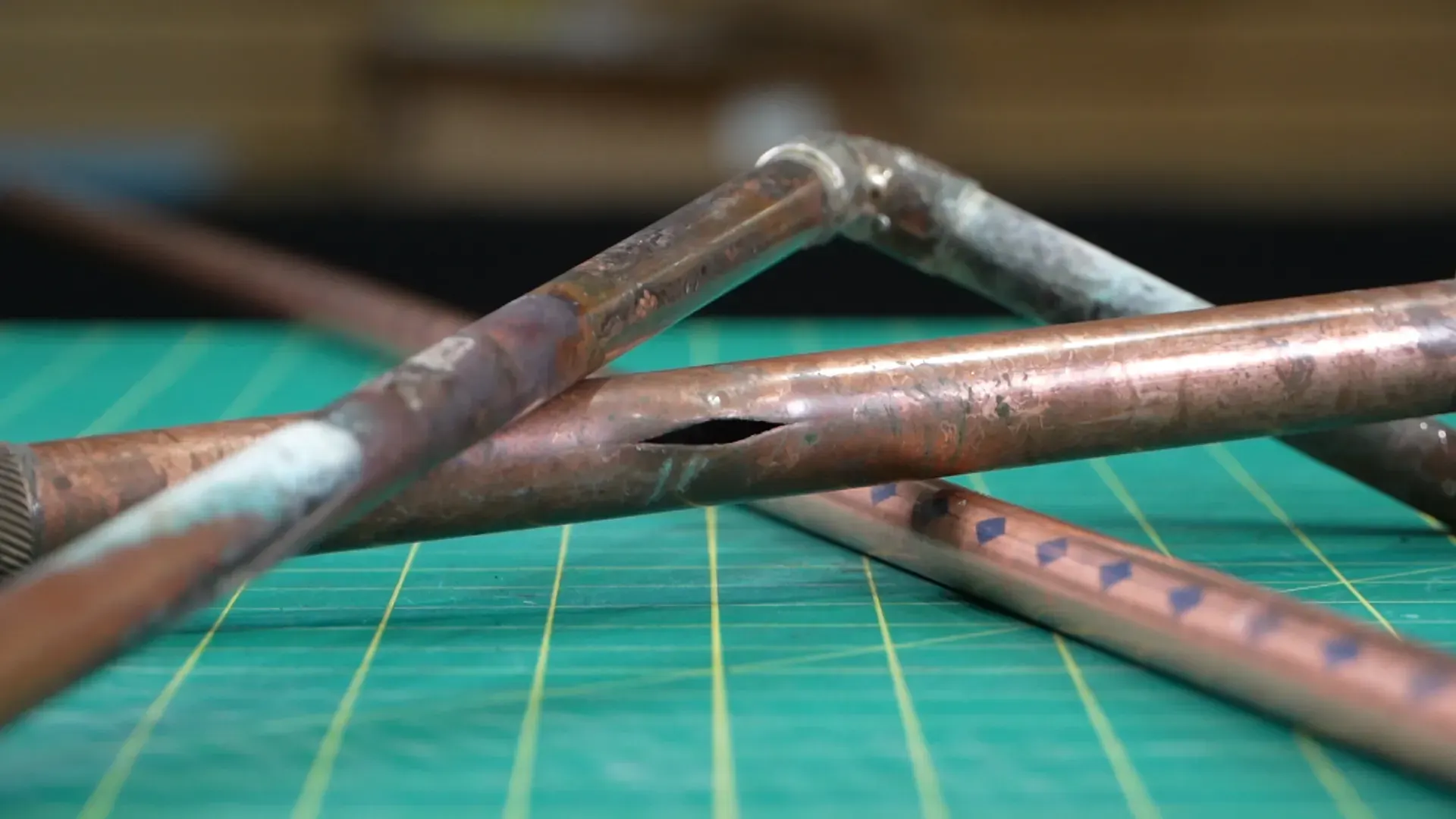
- Corrosion
- Discoloration
- Deformation
- Evidence of leakage
Because systems often involve multiple materials and components, identifying how the system was installed and used is critical to understanding the failure.
What to document before removal
If an irrigation system failure may become a product exam or subrogation question, document first. Specifically:
- System layout and distances (if available)
- Controller, manifold, and valve box locations
- Installation date
- Maintenance records and usage patterns
- Weather conditions
This information provides the context needed to evaluate how the system performed over time. Without it, conclusions can be limited.
When to bring in a forensic engineer
If the cause of failure is unclear, involves multiple components or materials, or is potentially tied to installation practices or external conditions, a forensic engineer can help evaluate the evidence and document findings in a clear, defensible way.