Toilet fill valves: where leaks start and failure conditions in claims
Toilet fill valves are commonly involved in water-loss claims because they control water flow directly into a toilet tank. When a failure occurs, leakage often originates at connection points located below the tank, where damage may go unnoticed until significant loss has occurred.
Understanding how the valve was installed and the conditions it was exposed to is critical to determining the cause of failure.
What toilet fill valves are (and what they are supposed to do)
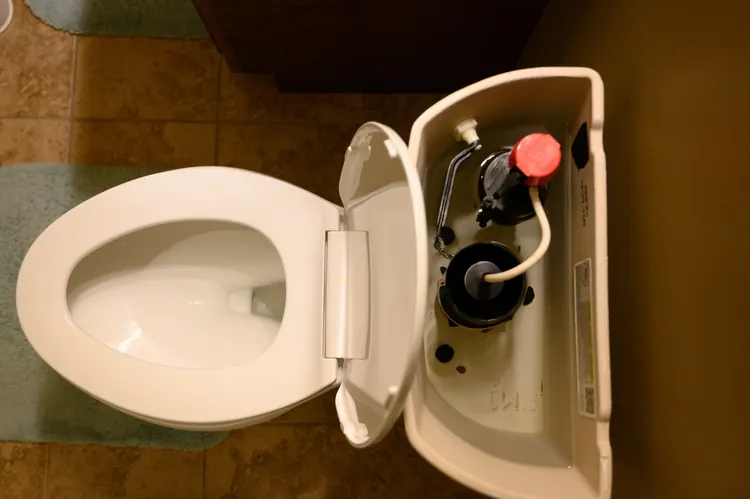
A toilet fill valve is a plumbing component that regulates the flow of water into a toilet tank after each flush. It connects to the water supply line and is designed to operate repeatedly without leaking.
These components are typically constructed from polymer materials and include threaded connections that must be installed according to manufacturer specifications.
Installation factors that change the story
Tightening methods
Proper tightening is critical at the threaded connections below the tank. Many manufacturers recommend hand tightening only, especially when polymer components are involved.
Use of tools
The use of tools on these connections can introduce excessive force, increasing the likelihood of fractures and long-term failure.
Connection conditions
The alignment and condition of the water supply line and lock nut connection can influence how stress is applied to the valve during installation and use.
How toilet fill valves typically fail
Many toilet fill valve failures fall into a practical framework:
- Installation-related issues
- Overtightening of lock nuts or supply line connections
- Use of tools where hand tightening is recommended
- Material and manufacturing issues
- Voids or discontinuities in polymer materials
- External and usage-related factors
- Chemical exposure from disinfectants or cleaning agents
- Environmental conditions affecting material performance
- Age, wear, and maintenance
- Degradation of polymer components
- Components exceeding their service life
What an expert looks for during a product examination
During a toilet fill valve evaluation, both installation indicators and material condition are considered.
Typical focus areas include:
- Tooling marks
- Fracture patterns
- Corrosion
- Mineral deposits
- Evidence of leakage
These indicators help determine whether the failure was caused by installation practices, material defects, or environmental exposure.
What to document before removal
If a toilet fill valve failure may become a product exam or subrogation question, document first. Specifically:
- Part numbers and manufacturer information
- Age and installation date
- Installation conditions and tightening method
- Photographs of the valve and surrounding connections prior to removal
- Maintenance records and prior work performed nearby
This information provides the context needed for a complete evaluation. Without it, conclusions can be limited.
When to bring in a forensic engineer
If the cause of failure is unclear, involves installation practices or material degradation, or may be tied to environmental or chemical exposure, a forensic engineer can help evaluate the evidence and document findings in a clear, defensible way.