Supply risers: common failure points and leakage in claims
Supply risers are commonly involved in water-loss claims because they connect fixtures directly to a water or gas supply. When a failure occurs, it often results in leakage within confined spaces such as cabinets or utility areas.
Understanding how the riser was installed and how it was used is critical to determining the cause of failure.
What supply risers are (and what they are supposed to do)
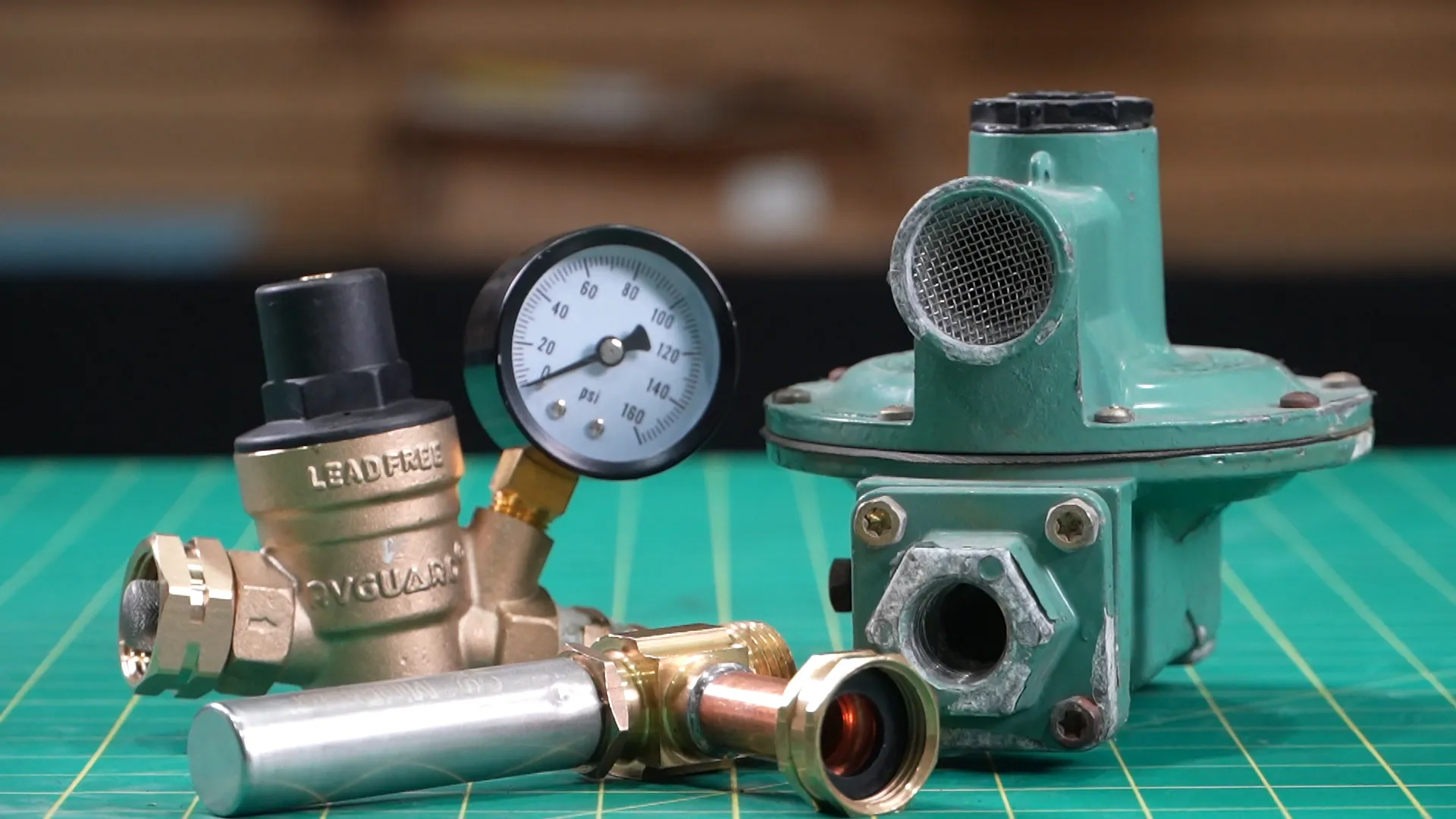
A supply riser is a plumbing component used to connect a fixture to a water or gas supply. Examples include connections to faucets, toilets, and appliances.
Their intended function is to deliver fluid or gas without leaking. Because these components come in a variety of materials and connection types, they must be installed according to manufacturer specifications.
Installation factors that change the story
Tightening methods
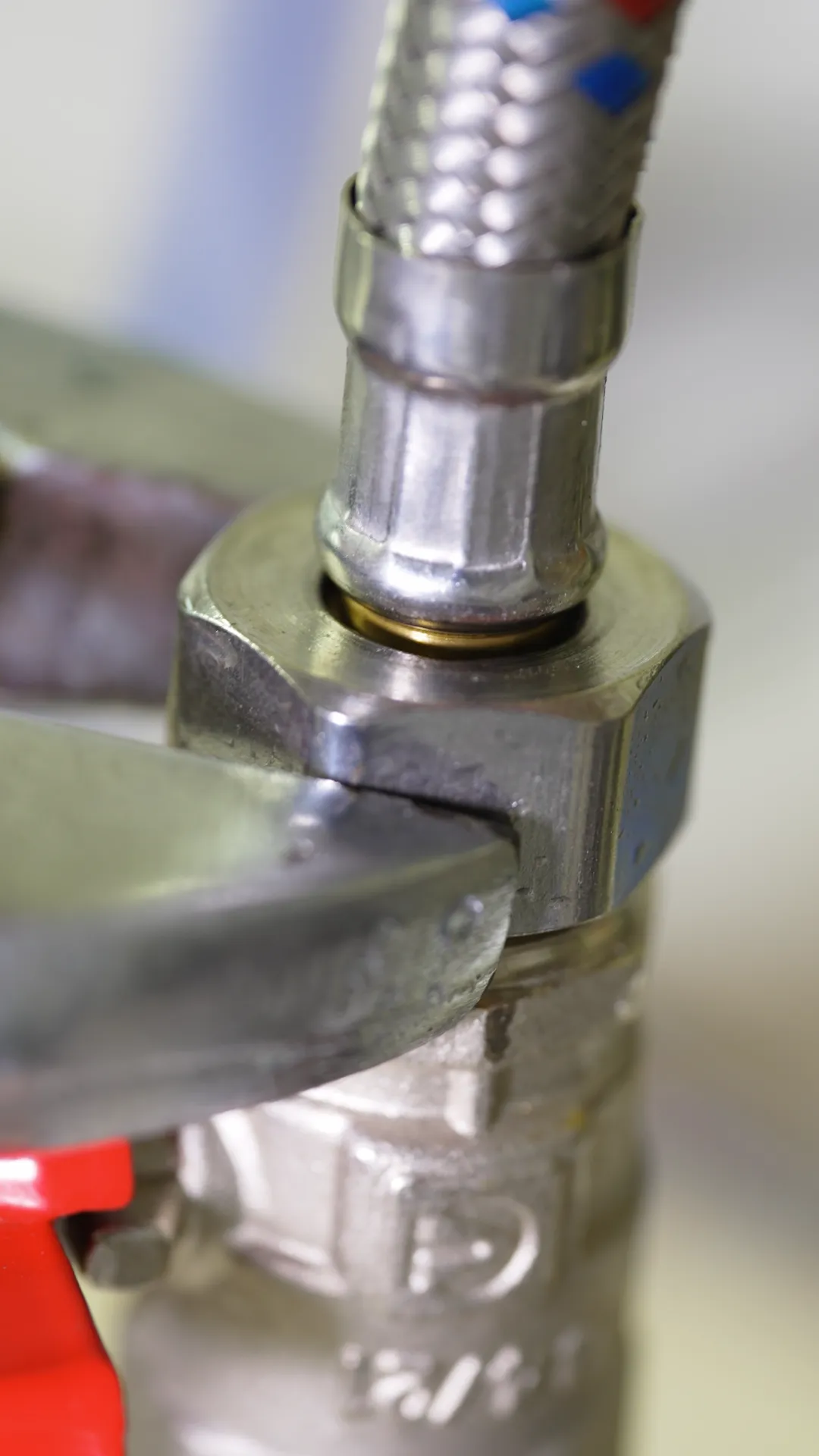
Proper tightening is critical, especially with polymer nuts that are often designed for hand tightening only. Overtightening can introduce stress and lead to failure.
Manufacturer specifications
Each supply riser may have specific installation requirements, including torque limits and connection methods. Failure to follow these specifications can affect performance.
Connection conditions
Clearances, orientation, and surrounding conditions can influence how the riser performs and how failures develop over time.
How supply risers typically fail
Many supply riser failures fall into a practical framework:
- Installation-related issues
- Overtightening of connections
- Failure to follow manufacturer tightening specifications
- Material and manufacturing issues
- Material defects such as voids in molded components
- External and usage-related factors
- Physical damage from stored items or external forces
- Improper use in confined spaces
- Age, wear, and maintenance
- Gasket compression set
- Material degradation over time
What an expert looks for during a product examination
During a supply riser evaluation, both physical damage and installation indicators are considered.
Typical focus areas include:
- Fractures
- Mineral deposits
- Tooling marks or gouges
- Corrosion
These indicators help determine whether the failure was caused by installation practices, material defects, or external forces.
What to document before removal
If a supply riser failure may become a product exam or subrogation question, document first. Specifically:
- Part numbers and manufacturer information
- Age and installation date
- Installation conditions and tightening method
- Photographs of the component prior to removal
- Maintenance records and prior work performed nearby
This information provides the context needed for a complete evaluation. Without it, conclusions can be limited.
When to bring in a forensic engineer
If the cause of failure is unclear, involves installation practices or material conditions, or may be tied to external forces, a forensic engineer can help evaluate the evidence and document findings in a clear, defensible way.