Pressure regulators: system pressure, installation, and downstream damage in claims
Pressure regulators are used to control and reduce system pressure to safe operating levels. They are commonly found in potable water systems, irrigation systems, and gas distribution systems.
When a pressure regulator fails, it can allow excessive pressure to pass downstream, leading to damage in connected components and systems. Understanding how the regulator was installed and how the system operates is critical to identifying the cause.
What pressure regulators are (and what they are supposed to do)
A pressure regulator is a mechanical device designed to reduce incoming pressure and maintain a consistent outlet pressure within a system. These devices help protect downstream components from over-pressurization.
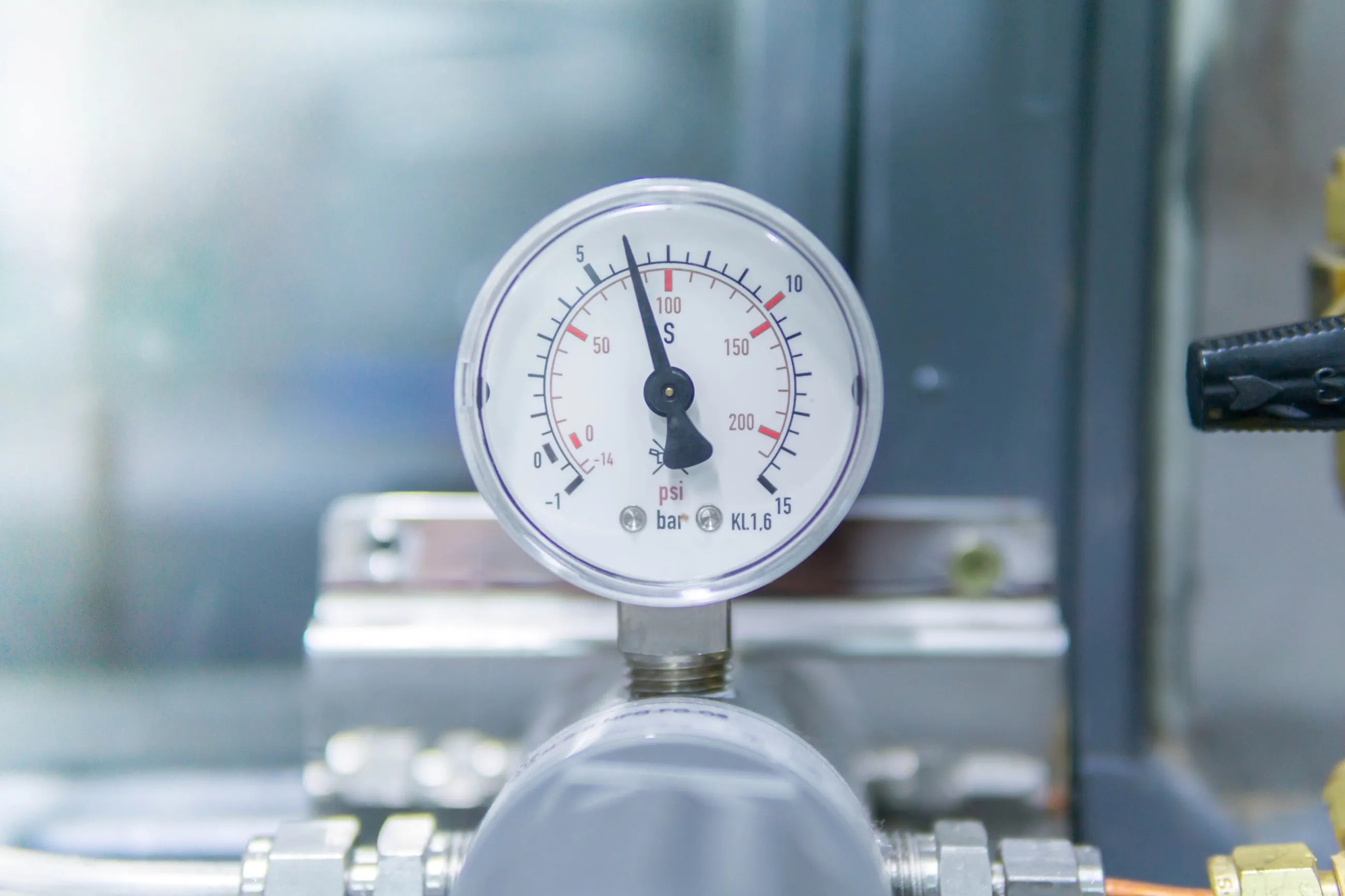
Pressure requirements vary depending on the system. Potable water systems are typically limited to 80 psi or less, while irrigation and gas systems operate at different pressure ranges depending on design and application.
Installation factors that change the story
System pressures and selection
Both supply pressure and desired outlet pressure must be considered when selecting a regulator. An improperly sized or selected regulator can lead to performance issues.
Orientation and placement
Regulators must be installed in appropriate locations based on system design and applicable codes. Orientation, clearances, and accessibility all affect performance and maintenance.
Connections and support
Proper support and secure connections are critical. Lack of support or improper tightening can introduce stress and lead to failure.
Environmental protection
Regulators exposed to environmental conditions such as snow, ice, or debris may experience premature failure if not properly protected.
How pressure regulators typically fail
Many regulator failures fall into a practical framework:
- Installation-related issues
- Lack of proper support or secure connections
- Improper tightening of fittings
- Incorrect placement or orientation
- Material and manufacturing issues
- Manufacturing defects are relatively uncommon
- External and usage-related factors
- Environmental exposure such as snow or ice
- Debris entering the system affecting operation
- Age, wear, and maintenance
- Internal component wear
- Regulators exceeding service life or expiration
What an expert looks for during a product examination
During a pressure regulator evaluation, both physical condition and system performance are considered.
Typical focus areas include:
- Fracture patterns
- Wear marks
- Corrosion
- Discoloration
- Evidence of leakage
Downstream pressure measurements or signs of elevated pressure are often key indicators of regulator failure.
What to document before removal
If a pressure regulator failure may become a product exam or subrogation question, document first. Specifically:
- Part numbers and manufacturer information
- Age and installation date
- Supply and outlet pressure conditions
- Photographs of the regulator and surrounding system prior to removal
- Maintenance records and prior work performed nearby
This information provides the context needed for a complete evaluation. Without it, conclusions can be limited.
When to bring in a forensic engineer
If the cause of failure is unclear, involves system pressure conditions or installation factors, or may be tied to component performance, a forensic engineer can help evaluate the evidence and document findings in a clear, defensible way.